
 admin
admin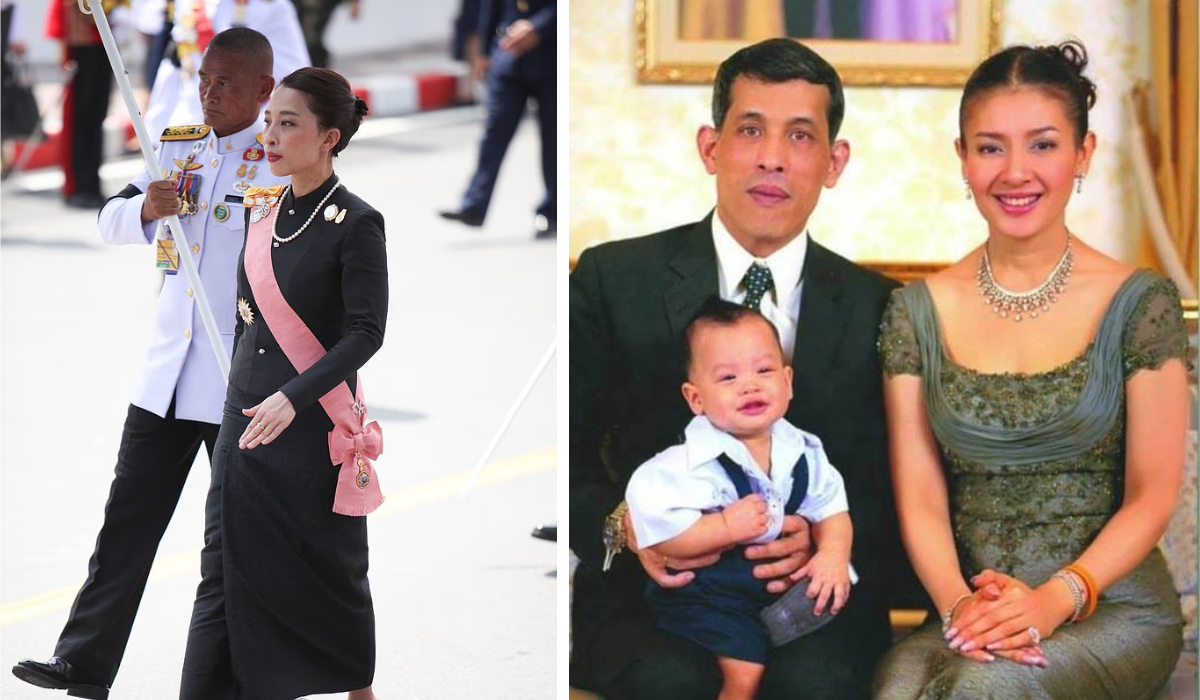
Introduction
Princess Bajrakitiyabha was born on December 7, 1978, in Bangkok to then-Crown Prince Vajiralongkorn and Princess Soamsawali. She became known not only for her royal position but also for her legal education, diplomatic service, criminal-justice work, and advocacy for women in prison. Her public career included work as a prosecutor, ambassador, and United Nations goodwill ambassador. In 2026, her life entered a new historical chapter after her death at age 47 following a prolonged illness. Her professional record and humanitarian projects remain important parts of her public legacy.
Quick Bio
| Detail | Information |
|---|---|
| Full Name | Bajrakitiyabha Narendira Debyavati |
| Born | December 7, 1978 |
| Birthplace | Bangkok, Thailand |
| Parents | King Maha Vajiralongkorn and Princess Soamsawali |
| Education | Thammasat University and Cornell University |
| Profession | Lawyer, diplomat, royal public servant |
| Known For | Justice reform and women’s prisoner advocacy |
| Died | June 11, 2026 |
| Age at Death | 47 |
Royal Family Background
Princess Bajrakitiyabha was the eldest child of King Maha Vajiralongkorn and his first wife, Princess Soamsawali. She was also the first grandchild of King Bhumibol Adulyadej and Queen Sirikit. Her family background placed her within Thailand’s Chakri dynasty and gave her an important ceremonial and public role. Unlike many royals whose public identities are primarily symbolic, she developed a professional career in law, diplomacy, and justice policy. This combination helped shape the distinctive reputation she carried throughout her adult life.
Childhood in Bangkok
She spent her early years in Thailand and attended Rajini School during her primary and lower-secondary education. Her schooling later continued in England before she completed her secondary education at Chitralada School. These experiences gave her exposure to different educational environments while keeping her closely connected to Thai royal traditions. From an early age, her life combined formal royal responsibilities with academic expectations. That foundation became significant when she later chose law and international relations as the main areas of her education and professional development.
Education at Thammasat University
Princess Bajrakitiyabha studied law at Thammasat University and also earned a degree in international relations from Sukhothai Thammathirat Open University. She completed her undergraduate education around the beginning of the new millennium and continued developing her legal qualifications afterward. Her academic choices showed a strong interest in public affairs, legal systems, and international institutions. Rather than treating royal duties as her only career path, she built qualifications that could support practical public service. Her university education became the first major step toward a professional identity based on law, justice, diplomacy, and institutional work.
Cornell Law School Years
After completing her undergraduate studies, Princess Bajrakitiyabha continued her legal education at Cornell University in the United States. She earned a Master of Laws and a Doctor of the Science of Law. Princess Bajrakitiyabha doctoral research concerned legal protections for accused persons. Cornell became an important part of her professional story because it strengthened her understanding of comparative law and international legal principles. Her advanced education later supported her work in Thailand’s justice system, diplomacy, and international criminal-justice initiatives. Her connection with Cornell also continued through scholarships and legal education programs established in her name.
Early Legal Career
After her studies, the princess worked at Thailand’s mission to the United Nations in New York before returning home. She later served as a public prosecutor in the Office of the Attorney General. Princess Bajrakitiyabha legal career gave her direct experience with the justice system rather than limiting her involvement to ceremonial activities. She worked in several locations and developed practical knowledge of criminal justice and public policy. This experience later influenced her humanitarian initiatives and gave her a professional foundation for advocating rehabilitation, legal fairness, and improved treatment for vulnerable people.
Kamlangjai Project
One of the most recognized initiatives associated with the princess was the Kamlangjai, or Inspire, project. The program focused on supporting incarcerated women, including women who were pregnant or caring for children. Its broader purpose was rehabilitation, dignity, and assistance during and after imprisonment. The initiative reflected her belief that justice should include opportunities for rehabilitation and reintegration. It also brought attention to the particular difficulties faced by female prisoners and helped make prison reform a visible part of her public-service work.
Bangkok Rules and Prison Reform
Her advocacy for women in custody connected with wider international efforts to improve prison conditions. The United Nations later adopted the Bangkok Rules, formal guidelines addressing the treatment of women prisoners and non-custodial measures for women offenders. The princess was an important Thai advocate in this field. Her work helped connect domestic projects with international discussions about gender, incarceration, rehabilitation, and human rights. The subject became a lasting part of her professional identity and strengthened her reputation as a royal who pursued practical policy goals rather than focusing solely on ceremonial responsibilities.
Diplomatic Appointment
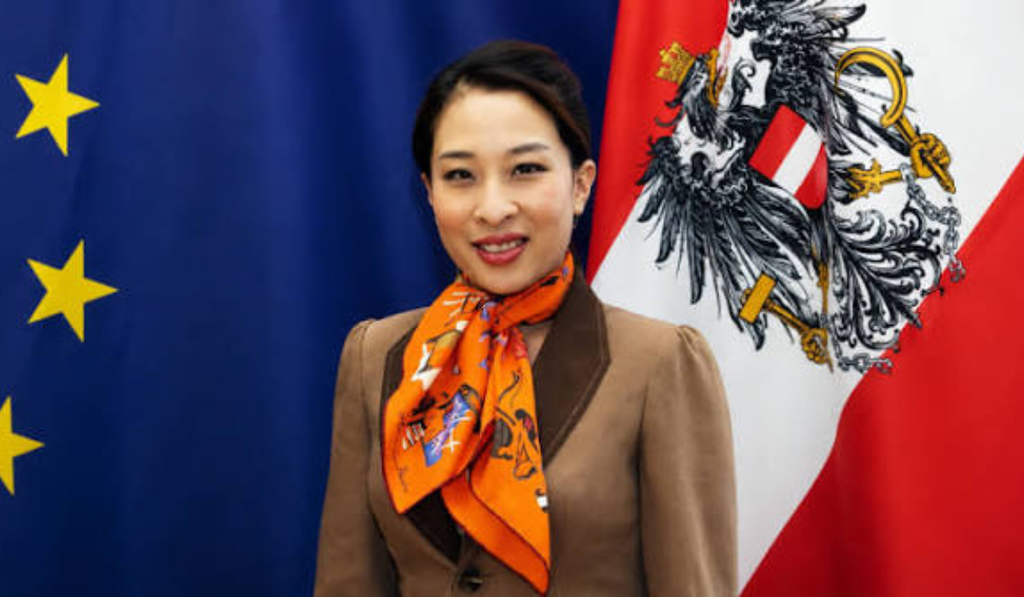
From 2012 to 2014, she served as Thailand’s ambassador to Austria and was also accredited to Slovakia and Slovenia. The appointment represented a significant expansion of her public career. Diplomacy required her to work with foreign governments, international organizations, and representatives from different countries. Princess Bajrakitiyabha legal background also gave her experience that could be applied to international cooperation. The diplomatic period demonstrated that her public service extended beyond Thailand’s domestic justice system and into formal international relations. It became one of the most prominent professional assignments of her career.
United Nations Role
Princess Bajrakitiyabha later became closely associated with the United Nations’ criminal-justice work. In 2017, she was appointed a United Nations goodwill ambassador connected with the rule of law in Southeast Asia. The role reflected her long-standing interest in justice reform and the treatment of vulnerable people. Through international forums, her work highlighted issues involving crime prevention, legal systems, rehabilitation, and women’s access to fair treatment. Her United Nations activities helped give her advocacy a wider regional and international profile.
Military Service
In 2021, she joined the Thai military and was given the rank of general. She served in the Royal Security Command and was appointed to senior responsibilities connected with royal security. The military role added another dimension to an already unusual career that included law, diplomacy, humanitarian work, and royal duties. Her transition into military service also demonstrated the breadth of responsibilities that members of the Thai royal family can undertake. It became one of the final major professional chapters of her public life before her health crisis changed her circumstances.
Public Image and Personality
Princess Bajrakitiyabha was often portrayed as serious, academically accomplished, and strongly focused on public service. Her legal and diplomatic career gave her an image distinct from purely ceremonial royal figures. She frequently worked on subjects involving justice, rehabilitation, and international cooperation. Princess Bajrakitiyabha public image was also shaped by her position as the eldest child of the king. Supporters viewed her professional achievements as evidence of a capable royal public servant, while observers also followed her because of the wider constitutional and dynastic significance of her position.
Royal Titles and Recognition
Princess Bajrakitiyabha held several royal titles and received important honors during her lifetime. Her formal name was Bajrakitiyabha Narendira Debyavati, and she was later granted additional royal titles. She also received distinctions associated with Thailand’s royal honors system. Such titles reflected her place within the monarchy and her father’s recognition of her status. Beyond ceremonial honors, however, her strongest public legacy came from her professional work, particularly legal advocacy, diplomacy, and programs supporting women affected by incarceration.
Personal Life
Princess Bajrakitiyabha kept much of her private life away from constant public attention. She was known for her professional commitments and public duties rather than for a celebrity-style personal profile. Her work with justice institutions, international organizations, and royal assignments occupied much of her adult life. This focus contributed to an image centered on service and responsibility. Although public curiosity about royal relationships and family life remained high, reliable reporting about her personal affairs was generally less prominent than coverage of her education, career, and official responsibilities.
Interest in Succession
Princess Bajrakitiyabha’s position as the king’s eldest child led to periodic discussion about Thailand’s royal succession. Her education, military rank, diplomatic experience, and public-service record made her a particularly notable member of the royal family. However, succession in Thailand is shaped by constitutional and legal rules, royal decisions, and political circumstances. Her prominence therefore generated speculation rather than a simple assumption that she would become monarch. Reports after her death emphasized that her public career had made her an important figure in discussions about the monarchy’s future.
Health Crisis in 2022
In December 2022, Princess Bajrakitiyabha collapsed while visiting Nakhon Ratchasima. The palace said she lost consciousness because of a heart condition and was transferred to Bangkok for treatment. She remained under medical care for years afterward. Her prolonged illness led to periodic statements about her condition and generated widespread concern in Thailand and abroad. The health crisis abruptly ended her active public career and became a major part of the final years of her life.
Long Hospitalization
Princess Bajrakitiyabha remained hospitalized from late 2022 until her death in 2026. During this period, official statements described serious medical complications and continuing treatment. In 2025, the palace reported a severe bloodstream infection and said doctors were using medication and equipment to support vital functions. In May 2026, reports described further severe infection and unstable vital signs. The long hospitalization meant that her supporters had few opportunities to see her publicly, while official medical updates became the principal source of information about her condition.
Death in June 2026
Princess Bajrakitiyabha died on June 11, 2026, at King Chulalongkorn Memorial Hospital in Bangkok, according to the Bureau of the Royal Household. She was 47. The palace said her condition had deteriorated after severe medical complications following years of illness. Her death prompted mourning in Thailand and international attention because of her royal status and public career. She was remembered not only as the eldest daughter of the king but also as a lawyer, diplomat, military officer, and advocate for women affected by the criminal-justice system.
Funeral and National Mourning
Following her death, Thailand prepared royal funeral rites and public mourning arrangements. The funeral ceremonies reflected her position within the royal family and the traditions surrounding senior members of the monarchy. Public attention focused on official ceremonies, tributes, and the memories shared by people who had followed her career. Her funeral period also provided an opportunity to reflect on the professional projects she had championed. The combination of royal ritual and public remembrance illustrated the significance of her role in contemporary Thai public life.
Legacy in Justice Reform
The most enduring aspect of Princess Bajrakitiyabha’s legacy is likely her connection with justice reform. Her legal training, prosecutor experience, prison-rehabilitation projects, and international advocacy formed a consistent professional theme. She worked to draw attention to women prisoners and the need for humane, practical approaches to rehabilitation. Her career demonstrated how legal expertise could be combined with royal public service. The institutions, initiatives, and international conversations connected with her work continue to provide a framework for remembering her contribution.
Influence on Women Prisoners
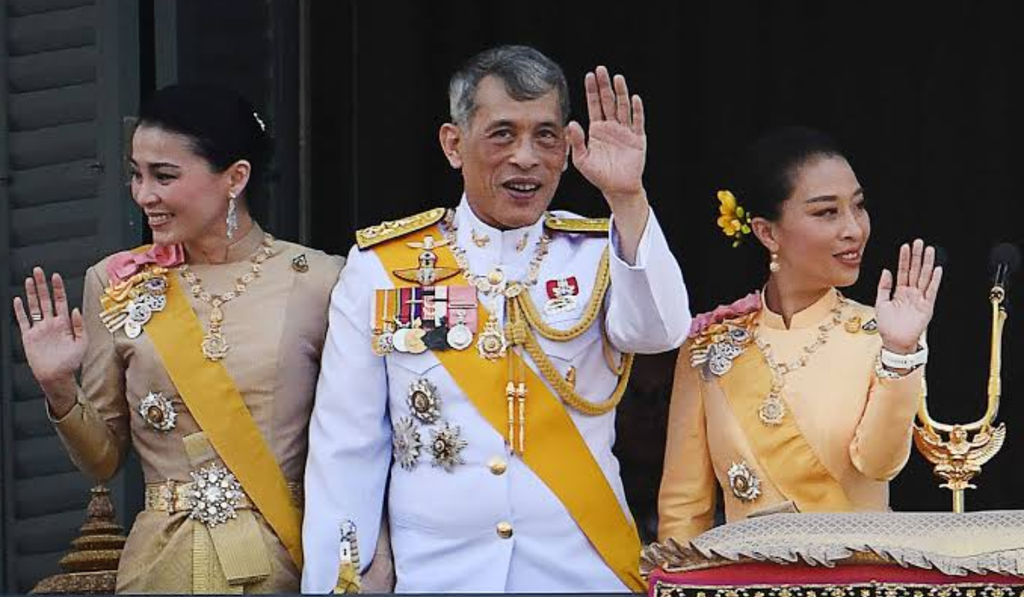
Princess Bajrakitiyabha’s focus on incarcerated women distinguished her from many other public figures. She emphasized the circumstances of women who faced imprisonment while pregnant, raising children, or preparing to return to society. Her approach encouraged rehabilitation rather than focusing only on punishment. This work helped bring women’s prison conditions into wider public discussion in Thailand and international forums. Her advocacy remains relevant because criminal-justice systems continue to examine how incarceration affects women, families, children, and communities.
International Reputation
Through diplomacy and United Nations work, Princess Bajrakitiyabha developed a reputation beyond Thailand. Her international activities linked Thai justice initiatives with global discussions about criminal justice, rule of law, and prison reform. Her education in the United States and her diplomatic appointment in Europe also gave her a broad international profile. These experiences showed that her career was not limited to domestic royal duties. They also helped position her as a representative of Thailand in professional and policy-focused settings.
Why Her Story Matters
Princess Bajrakitiyabha’s life matters because it combined royal heritage with a modern professional career. She was educated as a lawyer, worked in the justice system, represented Thailand diplomatically, supported prison reform, served in international roles, and later joined the military. Her story illustrates the range of public responsibilities undertaken by senior members of Thailand’s royal family. It also shows how a person with a highly visible status can build a separate professional identity through education, policy work, and service to communities facing difficult circumstances.
Historical Significance
The historical significance of Princess Bajrakitiyabha extends beyond her royal title. She belonged to a generation of Thai royals who combined traditional institutions with modern professional and international roles. Her career crossed law, diplomacy, humanitarian work, and military service. Her death in 2026 closed a life that had attracted attention because of both personal achievement and dynastic position. Future accounts of Thailand’s contemporary monarchy are likely to discuss her as an influential royal public servant whose work in justice reform formed an important part of her legacy.
Final Years and Remembrance
The final years of Princess Bajrakitiyabha’s life were marked by severe illness and continuous medical care. Although her public work ended after her hospitalization, interest in her earlier achievements continued. Tributes after her death emphasized her dedication to justice, equality, and compassion. Her professional record gives her story a dimension beyond royal ceremony. Remembering her career means recognizing the legal education, diplomatic assignments, prison-reform initiatives, and international service that shaped her public identity over more than two decades.
Lasting Legacy
Princess Bajrakitiyabha left a legacy that connects Thailand’s monarchy with legal education, public administration, diplomacy, and humanitarian work. Her efforts for women prisoners were especially important because they addressed rehabilitation and dignity within the criminal-justice system. Her international roles further expanded the reach of her advocacy. Although her life ended at 47, the projects and policy conversations associated with her career remain part of her historical record. Her story continues to attract interest because it brings together royal tradition, professional achievement, social advocacy, and national service.
Frequently Asked Questions
- When was Princess Bajrakitiyabha born? – She was born on December 7, 1978, in Bangkok, Thailand.
- What did Princess Bajrakitiyabha study? – She studied law and international relations and later earned advanced law degrees from Cornell University.
- What was Princess Bajrakitiyabha known for? – She was known for legal work, diplomacy, justice reform, and advocacy for women prisoners.
- When did Princess Bajrakitiyabha die? – She died on June 11, 2026, at age 47 after a prolonged illness.
- What is Princess Bajrakitiyabha’s legacy? – Her legacy centers on public service, women’s prison rehabilitation, rule-of-law advocacy, diplomacy, and royal service.
Wikipedia & Related Information
For additional background, readers can explore the covering her education,diplomatic career, justice initiatives, royal titles, and historical legacy.