 admin
admin
Introduction to Ludacris
Ludacris’s, whose real name is Christopher Brian Bridges, is an American rapper, actor, songwriter, record executive, and entrepreneur. Born on September 11, 1977, in Champaign, Illinois, he built his career after moving to Atlanta and becoming closely connected with the city’s hip-hop scene. As of 2026, he is 49 years old. His career has included successful albums, major acting roles, business ventures, and philanthropic work. The Ludacris Foundation describes him as a multi-platinum artist, actor, entrepreneur, husband, father, and philanthropist.
| Quick Bio | Details |
|---|---|
| Full Name | Christopher Brian Bridges |
| Stage Name | Ludacris |
| Birth Date | September 11, 1977 |
| Birthplace | Champaign, Illinois, USA |
| Age in 2026 | 49 years |
| Profession | Rapper, Actor, Entrepreneur |
| Musical Origin | Atlanta, Georgia |
| Spouse | Eudoxie Mbouguiengue |
| Children | Four daughters |
| Education | Georgia State University |
Ludacris Age in 2026
Ludacris is 49 years old in 2026. He was born on September 11, 1977, meaning he celebrated his 49th birthday on September 11, 2026. Current biographical sources consistently identify his birth date as September 11, 1977. His age places him among the generation of performers who helped bring Southern hip-hop to a worldwide mainstream audience during the late 1990s and early 2000s.
Ludacris Birth Date and Birthplace
Ludacris’s was born Christopher Brian Bridges on September 11, 1977, in Champaign, Illinois. His early childhood was followed by a major family move to Atlanta, Georgia, when he was young. Atlanta eventually became central to his musical identity and professional career. The New Georgia Encyclopedia records both his Illinois birthplace and his family’s move to Atlanta during his early teenage years.
Early Childhood and Musical Interest
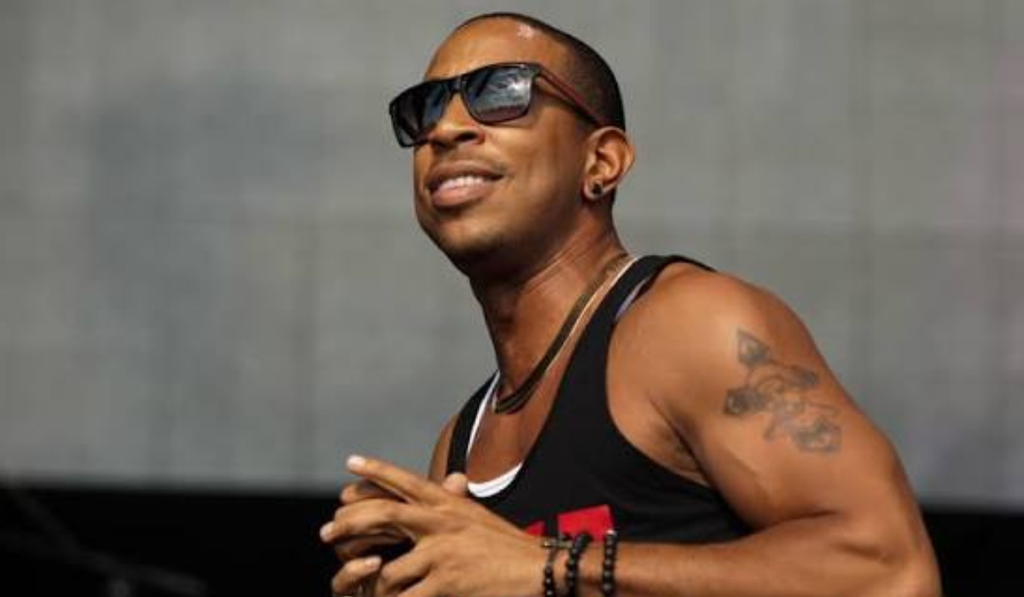
Music became important to Ludacri’s at an early age. According to his foundation biography, he wrote his first rhyme when he was nine years old and continued developing his musical abilities as he grew older. His early exposure to different musical styles helped shape the versatility that later became part of his career. By his teenage years, he was already taking rap seriously and performing competitively.
Moving to Atlanta
Atlanta played a defining role in Ludacris’s development as an artist. After relocating there as a young teenager, he became immersed in the city’s growing hip-hop culture. The Atlanta environment provided opportunities to meet musicians, producers, DJs, and other entertainment professionals. His connection with the city’s music scene eventually helped him develop the distinctive Southern rap style that became closely associated with his career.
Education and Georgia State University
Ludacri’s attended Georgia State University, where he studied music management. His education gave him knowledge beyond performing and helped him understand the business side of entertainment. The Ludacris Foundation notes that he chose music management to learn about the legal and financial aspects of the industry. This background later proved useful as he became involved in recording, label management, entrepreneurship, and other entertainment ventures.
Beginning His Radio Career
Before becoming a major recording artist, Ludacris worked in Atlanta radio. He was associated with Hot 97.5, later known as Hot 107.9, and used the name DJ Chris Lova Lova. His radio work allowed him to sharpen his performance skills while building relationships within Atlanta’s music industry. Radio became an important bridge between his early ambitions and his eventual recording career.
Early Rap Career
Ludacris began building his professional rap career during the late 1990s. His early work included an appearance on Timbaland’s 1998 project, which helped introduce him to a wider audience. He subsequently developed his own independent music operation and began releasing material under the Disturbing tha Peace banner. These early steps established the foundation for his later mainstream success.
Incognegro and the Independent Start
In 1999, Ludacris independently released Incognegro. The project represented an important step because it demonstrated his willingness to invest in his own music before receiving major-label backing. In a later interview, he recalled investing about $20,000 in the album. The project eventually attracted attention from Def Jam, leading to its re-release as Back for the First Time in 2000.
Breakthrough With Back for the First Time
Back for the First Time became Ludacris’s major breakthrough. Released in 2000, the album expanded his audience nationally and included songs such as “What’s Your Fantasy?” and “Southern Hospitality.” The album reached No. 4 on the Billboard 200, establishing him as one of the prominent new voices in Southern hip-hop. This period marked the beginning of his transformation from regional performer to mainstream star.
Word of Mouf Success
Ludacri’s followed his breakthrough with Word of Mouf in 2001. The album continued his momentum and strengthened his reputation for energetic performances, clever wordplay, and memorable collaborations. His ability to combine humor, storytelling, and commercial production helped him reach audiences beyond traditional Southern hip-hop listeners. The project became another important milestone in a discography that would produce several successful albums during the following decade.
Chicken-n-Beer Era
In 2003, Ludacris released Chicken-n-Beer, another major commercial success. The album continued the energetic approach that had defined much of his early work and produced popular songs that expanded his profile. His musical career during this period coincided with his growing presence in film, creating a dual career that would eventually become one of his defining professional characteristics.
Acting Career Begins
Ludacris expanded into acting in the early 2000s. One of his most recognizable early film roles came in 2 Fast 2 Furious, where he played Tej Parker. He later appeared in movies including Crash and Hustle & Flow. His transition into acting demonstrated that his entertainment career was not limited to music and helped introduce him to audiences who may not have followed hip-hop closely.
Role in the Fast & Furious Franchise
Tej Parker became Ludacris’s best-known recurring acting role. His participation in the Fast & Furious franchise connected him with one of Hollywood’s largest action-film series. Over the years, the character became a familiar part of the franchise’s ensemble. His continued involvement helped make acting an enduring component of his professional identity alongside music.
Ludacris and Grammy Recognition
Ludacris has received significant recognition for his music, including three Grammy Awards. His awards history also includes numerous nominations and honors from organizations across music and entertainment. These achievements reflect the commercial and cultural impact of his recordings, collaborations, and performances during different stages of his career.
Musical Style and Influence
Ludacris became known for a highly energetic delivery, humorous lyrics, wordplay, and an expressive performance style. His work was strongly associated with the Southern hip-hop movement that gained national attention around the turn of the millennium. The New Georgia Encyclopedia identifies him as one of the first Dirty South rappers to achieve major mainstream success.
Disturbing tha Peace
Disturbing tha Peace became an important part of Ludacris’s business and musical identity. He established the label and production company while developing his own career. The organization gave him an opportunity to participate in the business side of music rather than remaining solely a performer. His entrepreneurial approach helped establish the foundation for later projects beyond recording and acting.
Family Life
Family has remained an important part of Ludacris’s public life. He is married to Eudoxie Mbouguiengue, and the couple have two daughters together. He also has two daughters from previous relationships, giving him four children in total. Recent coverage has highlighted his role as a father and his close relationship with his daughters.
Ludacris as a Father
Fatherhood has become an increasingly visible part of Ludacris’s identity. His four daughters are Karma, Cai, Cadence, and Chance. Recent reporting describes him as deeply involved in celebrating their milestones and supporting their individual interests. His family life also inspired Karma’s World, an animated project connected to his eldest daughter.
Karma’s World
Karma’s World is an animated musical project inspired by Ludacris’s daughter Karma. The series reflects his interest in using entertainment for younger audiences while combining music with educational and family-oriented themes. AllMusic notes that the project was inspired by his daughter and became part of his work after the release of Ludaversal.
Philanthropic Work
Ludacris has also invested time in philanthropy. The Ludacris Foundation focuses on connecting music and the arts with young people and communities. According to the foundation, it has supported grassroots nonprofit organizations through grants and community initiatives. His charitable work adds another dimension to a career that includes music, film, business, and family.
Business and Entrepreneurship
Beyond entertainment, Ludacris has pursued entrepreneurial opportunities. His career has included record-label leadership, brand partnerships, and other business interests. His early education in music management provided a useful foundation for understanding entertainment as a business. His professional path demonstrates how performers can expand their careers through ownership, partnerships, and projects outside traditional recording.
Ludacris and Pop Culture
Ludacris has remained a recognizable figure in popular culture because of his music, acting roles, collaborations, and public personality. His work spans several entertainment generations, allowing audiences to know him through both albums and movies. His presence in the Fast & Furious franchise also helped maintain his visibility among viewers who may have discovered his work through cinema rather than music.
Career Longevity
At 49, Ludacris represents a long-running entertainment career that began professionally in the late 1990s. His ability to move between music, acting, entrepreneurship, television, and philanthropy has helped him remain active across different periods of popular culture. AllMusic lists him as active from the 1990s through the 2020s and notes his continuing musical appearances and projects.
Recent Music and Projects
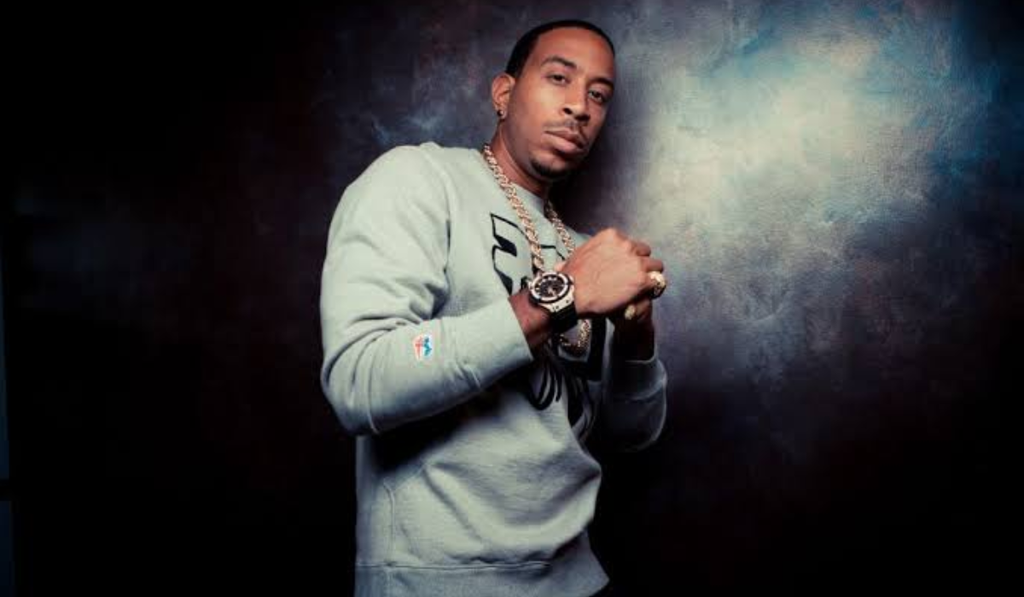
Ludacris has continued to release or participate in music projects in the 2020s. His official website currently features records and videos, while recent music coverage has highlighted newer material such as “Pull Over.” His ongoing creative work demonstrates that his career remains broader than nostalgia for his early-2000s success.
Ludacris in 2026
In 2026, Ludacris remains active as an entertainer and public figure. He celebrated his 49th birthday on September 11, 2026, while continuing to be recognized for his contributions to music, film, and entertainment. His career now spans nearly three decades, giving him a perspective that connects the rise of Southern hip-hop with modern entertainment.
Why Ludacris Remains Relevant
Ludacris remains relevant because his career has developed across multiple entertainment fields. His music established his reputation, his acting expanded his audience, and his business and philanthropic work broadened his professional reach. Rather than being associated with only one period, he has continued adding projects and collaborations throughout his career. His story also reflects the wider growth of Atlanta’s influence on American hip-hop.
Legacy in Southern Hip-Hop
Ludacris played an important role in bringing Southern hip-hop to mainstream audiences. The University of Georgia’s New Georgia Encyclopedia describes him as one of the first Dirty South rappers to achieve mainstream success and notes his role in demonstrating the commercial potential of the genre. His catalog and collaborations remain part of the broader history of Southern rap’s expansion.
Ludacris Age and Career Perspective
Looking at Ludacris’s career through the lens of age shows how much he has accomplished across different stages of adulthood. From writing rhymes as a child to becoming a radio personality, recording artist, actor, entrepreneur, and father, his professional journey has continued to evolve. His story demonstrates that an entertainment career can change direction while retaining a recognizable creative identity.
What Comes Next for Ludacris
The next stage of Ludacris’s career can include music, acting, business, family projects, and philanthropy. His official website continues to feature music releases and videos, while his foundation remains involved in community-focused initiatives. Because his career has repeatedly expanded into new areas, his future work may continue to combine entertainment with entrepreneurship and family-oriented projects.
Final Thoughts on Ludacris
Ludacris has built a career that extends far beyond his early success as a Southern rapper. Born in 1977, he grew from a young Atlanta performer into a Grammy-winning musician, actor, entrepreneur, record executive, and philanthropist. At 49 in 2026, his career includes decades of music, major film appearances, family projects, and charitable efforts. His story remains closely connected to Atlanta’s hip-hop history while also reaching audiences around the world. For additional background, readers can explore.
FAQs
1. How old is Ludacris in 2026?
- Ludacris is 49 years old in 2026, having been born on September 11, 1977.
2. What is Ludacris’s real name?
- His real name is Christopher Brian Bridges.
3. Where was Ludacris born?
- He was born in Champaign, Illinois, and later moved to Atlanta, Georgia.
4. How many children does Ludacris have?
- Ludacris has four daughters: Karma, Cai, Cadence, and Chance.
5. What is Ludacris known for?
- He is known for his successful rap career, acting role as Tej Parker in the Fast & Furious franchise, entrepreneurship, and philanthropy.