 admin
admin
Helen Mirren has built a respected acting career in Britain and Hollywood. Interest in Helen Mirren Young often comes from fans who want to understand what she was like before international fame, royal roles, major awards, and decades of screen success. Born in London in 1945, she discovered acting early and developed her craft through theatre. By her early twenties, she was already earning attention through demanding classical roles. Her journey from a young performer in English theatre to a globally recognized star shows how talent, discipline, confidence, and a willingness to take unconventional roles shaped her remarkable career.
| Quick Bio | Details |
|---|---|
| Full Name | Helen Lydia Mirren |
| Birth Date | July 26, 1945 |
| Birthplace | London, England |
| Nationality | British |
| Profession | Actress |
| Early Theatre | National Youth Theatre |
| Major Company | Royal Shakespeare Company |
| Spouse | Taylor Hackford |
| Breakthrough Era | 1970s–1980s |
| Known For | Theatre, film and television |
Who Is Helen Mirren?
Helen Mirren is an acclaimed British actress whose career has crossed theatre, television, and film. Looking at her early years provides useful context for the fearless performer she later became. She was drawn to acting while still young and pursued formal training before entering professional theatre. Her classical stage experience became a foundation for later screen performances. Instead of relying on one image or genre, she developed a reputation for playing complicated, intelligent, powerful, and sometimes unconventional women. That range eventually helped her become one of the most recognizable performers of her generation.
Early Life in London
Helen Mirren was born on July 26, 1945, in London to an English mother and Russian father. Her family background gave her a distinctive cultural heritage, while her upbringing in Leigh-on-Sea, Essex, helped shape her early years. Accounts of Helen Mirren Young describe a girl who became fascinated by performance and drama. She appeared in school productions and gradually discovered that acting could offer a serious creative path. Her childhood was not simply a preparation for celebrity; it was a period in which curiosity, confidence, and a love of performance began developing naturally.
Family Background
Mirren grew up as the second of three children. Her father, Vasily Petrovich Mironoff, came from a Russian family with aristocratic roots, while her mother, Kathleen Rogers, came from an English working-class background. The surname was changed to Mirren when Helen was still a child. This mixture of family histories gave her an unusual personal background. When researching her early life, fans sometimes focus on her heritage because it helps explain the distinctive identity she carried into the entertainment world. Yet her later career was built primarily through her own choices, training, persistence, and stage accomplishments.
Education and First Acting Steps
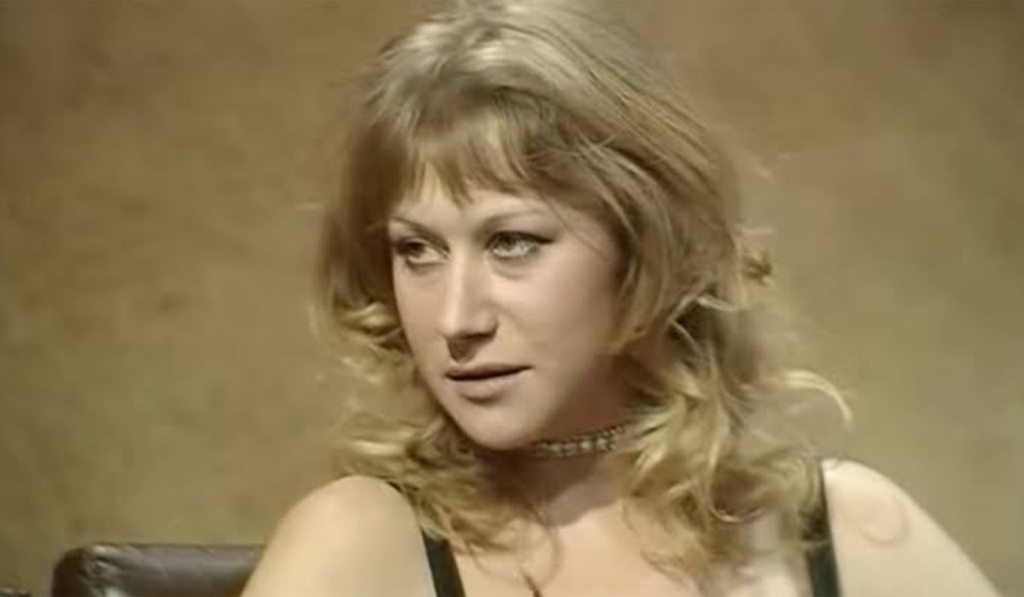
Mirren attended St Bernard’s High School for Girls in Southend-on-Sea and later studied at the New College of Speech and Drama in London. Her education supported her growing interest in performance and gave her a stronger foundation for professional theatre. Stories of her early career frequently highlight how quickly she moved from school performances into serious acting opportunities. At eighteen, she successfully auditioned for the National Youth Theatre. That achievement changed the direction of her life because it placed her among ambitious young performers and opened the door to important stage opportunities.
Discovering a Passion for Theatre
Theatre became the central training ground for Mirren during the first stage of her professional life. She was attracted to the energy, language, and challenge of live performance. She was already demonstrating qualities that would later define her work: confidence, physical presence, emotional intensity, and a willingness to take risks. Rather than waiting for a perfect opportunity, she embraced demanding material and learned by performing repeatedly. This stage-centered development was important because it gave her the discipline needed to handle complex characters, long rehearsals, and the immediate pressure of performing before an audience.
National Youth Theatre Breakthrough
At about twenty, Mirren played Cleopatra in the National Youth Theatre production of Antony and Cleopatra at the Old Vic. She has described the role as an important moment that launched her professional career. Helen Mirren Young therefore represents more than photographs or youthful appearance; it also describes a decisive period when her professional identity was forming. The production brought attention to her talent and helped lead to representation by an agent. Her early success demonstrated that she could handle major classical roles despite being a relatively new professional actress.
Cleopatra at the Old Vic
Playing Cleopatra was a major responsibility for a young performer because the character demands confidence, emotional intelligence, charisma, and command of language. During this period she was already being tested by roles that required considerable maturity. The production helped establish her as a serious theatre actress rather than simply a promising newcomer. It also showed that she was comfortable with powerful female characters. This quality became a recurring feature throughout her career, from Shakespearean heroines to detectives, queens, political figures, and other women whose authority drives a story.
Royal Shakespeare Company Years
Following her National Youth Theatre work, Mirren was invited to join the Royal Shakespeare Company. Her years with the company became a defining part of her development. Helen Mirren Young was associated with productions including The Revenger’s Tragedy, All’s Well That Ends Well, Troilus and Cressida, As You Like It, The Two Gentlemen of Verona, and Miss Julie. These roles allowed her to work within a demanding classical tradition while developing a distinctive performance style. The experience also connected her with respected directors and actors, strengthening her reputation within British theatre.
Major Shakespeare Roles
Mirren’s Shakespearean work showed that she was not afraid of characters requiring intelligence, sexuality, humor, aggression, or emotional complexity. During her early theatre years, she played roles such as Cressida, Rosalind, and Lady Macbeth. Helen Mirren Young in these productions represented a performer learning how to balance classical language with natural physical and emotional expression. Her stage work also challenged conventional expectations about how Shakespearean women should appear and behave. Instead of presenting characters as passive figures, she often gave them strength, independence, and a vivid sense of personal desire.
Working With Peter Brook
In the early 1970s, Helen Mirren joined Peter Brook’s Theatre Company and participated in international work. This period expanded her artistic experience beyond conventional British theatre institutions. She was becoming increasingly adventurous, and working with Brook allowed her to explore different performance methods and theatrical environments. The company’s international touring also exposed her to audiences and artistic traditions outside Britain. These experiences contributed to her confidence and versatility. She later reflected on this period as part of a broader journey toward understanding the kind of career she wanted.
Young Helen Mirren on International Stages
International touring gave Mirren opportunities to perform for audiences in different countries and cultural settings. Her early theatre work had already demanded discipline, but international performance added another layer of challenge. Helen Mirren Young was learning how to communicate character through voice, movement, and emotional clarity regardless of location. These skills became valuable when she later moved between British and American productions. Her ability to adapt without losing her individuality became one of her strongest professional qualities. Instead of being limited to one theatrical tradition, she developed a broad performance vocabulary.
Early Film Career
Mirren began appearing in films during the late 1960s while continuing her stage career. Her early screen credits included Herostratus, A Midsummer Night’s Dream, and Age of Consent. Her early screen work showed a performer gradually discovering how different the camera was from a theatre audience. Film required smaller gestures, greater awareness of framing, and the ability to build a character through editing. She did not immediately become a mainstream movie star, but these early appearances gave her practical screen experience. That foundation later helped her move confidently into major film roles.
Age of Consent
Age of Consent, directed by Michael Powell and released in 1969, became one of Mirren’s notable early film appearances. She starred opposite James Mason, gaining experience in a production that placed her before an international cinema audience. Helen Mirren Young during the Age of Consent period is often discussed because the film arrived when she was still establishing herself as a screen performer. Her career, however, was not built around one movie. She continued working across theatre and film, gradually creating the depth and versatility that would become central to her reputation.
A Midsummer Night’s Dream
The Royal Shakespeare Company’s production of A Midsummer Night’s Dream offered another important early showcase. Mirren played Hermia in the production, which was later filmed for television. Helen Mirren Young in this period reflected the unusual speed of her professional development. She was still in her twenties but had already worked on ambitious classical productions and toured internationally. Her performances showed that she could combine youthful energy with the precision demanded by Shakespeare. These early credits remain important because they reveal the theatrical foundation behind the sophisticated screen acting associated with her later career.
From Theatre to More Screen Roles
As the 1970s progressed, Mirren continued moving between stage and screen. She appeared in projects such as O Lucky Man!, Hamlet, and other productions while maintaining a strong theatre presence. Her early career during this period reflected a professional path that never followed a simple route from one film to another. She kept experimenting with different forms and directors. This willingness to move between mediums protected her from being narrowly defined. It also strengthened her ability to understand character from multiple perspectives, a quality that later became a hallmark of her performances.
Caligula and a Controversial Role
Caligula became one of Mirren’s most controversial early films because of its explicit sexual material and violence. She appeared alongside Malcolm McDowell and Peter O’Toole in the 1979 production. During this era she demonstrated her willingness to accept unconventional material rather than protect herself from controversy. Although the film received harsh critical reactions, Mirren’s performance became part of a broader story about her refusal to be restricted by conventional expectations. Her career was increasingly associated with difficult choices, strong characters, and a readiness to explore material that other performers might avoid.
The Long Good Friday Breakthrough
The Long Good Friday, released around the turn of the 1980s, became a major breakthrough for Mirren on screen. She appeared opposite Bob Hoskins in the acclaimed British crime drama. Helen Mirren Young was by then an experienced stage actress bringing greater maturity to film. Her performance demonstrated that she could be understated while still commanding attention. The role helped critics and audiences recognize her as a serious screen presence. It also contributed to a transition in which film opportunities became increasingly important alongside the theatre work that had originally established her reputation.
Excalibur and 1980s Success
Mirren continued building her film career with Excalibur in 1981, playing Morgana in John Boorman’s Arthurian fantasy. The movie gave her a high-profile genre role and introduced her to a wider international audience. During the early 1980s, she showed how comfortably she could move between historical drama, fantasy, crime, and art-house cinema. She did not depend on one type of character. Instead, she used each project to expand her range. That variety helped her remain professionally relevant while many performers from the same era became associated with narrower screen identities.
Cal and Critical Recognition
Cal, released in 1984, brought Mirren major critical recognition. Her performance as Marcella earned her the Best Actress prize at the Cannes Film Festival and a BAFTA Award. Helen Mirren Young in Cal represented a significant point in her development because her work was receiving major international recognition for dramatic acting rather than simply attracting attention for appearance or stage reputation. The film demonstrated her ability to create emotional depth in a restrained performance. This recognition strengthened her standing as one of Britain’s leading actresses and opened the way for increasingly substantial screen opportunities.
Style and Presence in Her Early Years
Photographs from Mirren’s early career show a performer with a distinctive presence and an expressive face. Helen Mirren Young is frequently searched because fans want to compare her early appearance with her later iconic image. Her style changed across decades, reflecting fashion trends, theatre roles, and her growing confidence. Yet her expressive eyes, strong posture, and commanding presence were visible early. Importantly, her appeal was never based only on conventional glamour. Her individuality and ability to inhabit a character were central to the public image she developed over time.
Building a Television Career
Television became another important part of Mirren’s professional development. She appeared in British television productions while continuing stage and film work. Helen Mirren Young during this period was becoming a performer who could adapt to different production schedules and storytelling formats. Television gave her opportunities to develop characters over longer narratives and reach audiences who might not regularly attend theatre or seek out art-house films. Her work across multiple mediums also helped establish the versatility that later defined her reputation. She gradually became known as an actress who could make almost any role compelling.
Prime Suspect and Major Stardom
Prime Suspect transformed Mirren’s television career when she began playing Detective Chief Inspector Jane Tennison. The role combined authority, vulnerability, intelligence, and professional pressure. Although the character belongs to a later stage of her career, Helen Mirren Young helps explain how she developed the tools needed for such a demanding performance. Years of classical theatre had trained her voice and discipline, while early films had taught her screen subtlety. Tennison became one of her signature roles and demonstrated that a woman-led crime drama could achieve major critical and audience success.
Awards and Lasting Legacy
Mirren’s later career brought major awards, including an Academy Award for The Queen, along with numerous television, film, and theatre honors. The success of those performances can be traced back to the foundation established during her early decades. Helen Mirren Young represents the formative period when she developed the confidence, discipline, and versatility that later made her internationally respected. Her legacy is especially significant because she has continued taking ambitious roles across genres and generations. She remains an example of how a performer can evolve without abandoning the craft that created the original success.
Why Her Early Career Still Matters
The importance of Mirren’s early career extends beyond nostalgia. Helen Mirren Young shows how sustained professional growth can emerge from theatre training, experimentation, and carefully chosen opportunities. She did not become famous overnight. Instead, she accumulated experience through Shakespeare, international touring, independent films, television, and challenging dramatic roles. That process gave her a broad artistic foundation. For aspiring performers, her story demonstrates the value of learning the craft before chasing celebrity. Her early career also proves that unconventional choices can eventually become part of the very identity that makes an actor distinctive.
Young Helen Mirren and Modern Popularity
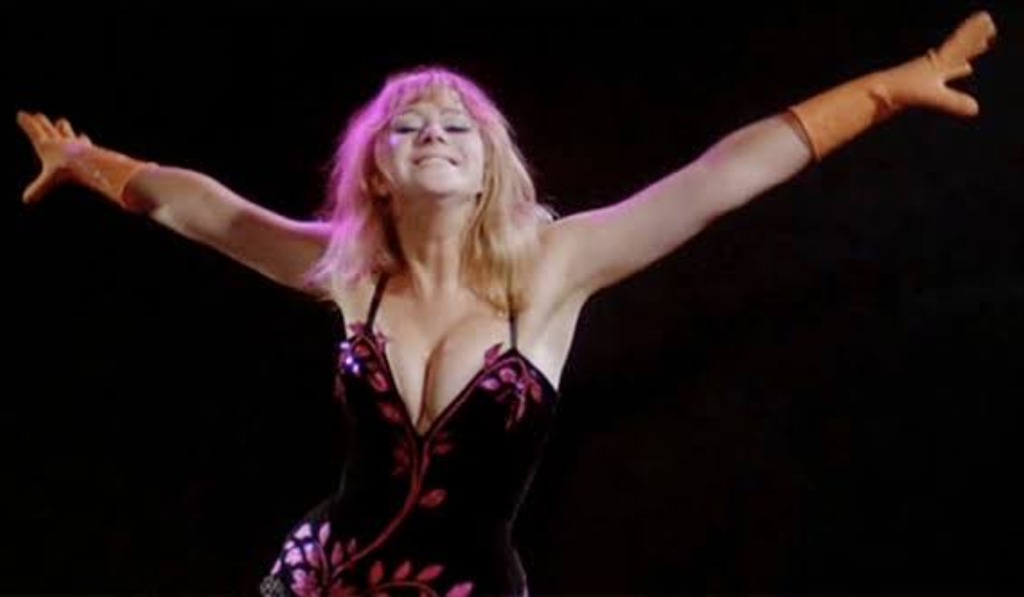
Search interest in Mirren’s younger years remains strong because modern audiences often discover her through The Queen, Prime Suspect, or contemporary productions before exploring her earlier work. Helen Mirren Young provides a bridge between those different periods. Younger viewers can see how the actress developed from a theatrical newcomer into an established international star. Archive photographs, old interviews, and early films offer a visual record of that transformation. The continued interest also shows that audiences value career stories, not only individual movies. Mirren’s early years remain relevant because they explain the depth behind her later success.
The Influence of Theatre on Her Screen Work
Theatre remained central to Mirren’s acting identity even as film and television became increasingly important. Helen Mirren Young learned to project emotion, understand text, and build characters through demanding stage work. Those lessons later appeared in her screen performances, where she could communicate complex emotions without excessive gestures. Her theatre background also encouraged respect for rehearsal and preparation. The result was an acting style that could feel both technically precise and emotionally spontaneous. This combination helped her succeed in roles ranging from detectives and queens to historical figures and contemporary characters.
Helen Mirren’s Approach to Career Choices
One of the strongest lessons from Mirren’s early career is her willingness to avoid predictable choices. Helen Mirren Young was not limited to a single image, genre, or performance style. She moved between Shakespeare, experimental theatre, international productions, controversial films, crime dramas, and character-driven stories. That variety sometimes involved risk, but it also prevented her career from becoming repetitive. Her choices suggest that long-term success can come from building skills and credibility rather than chasing every opportunity for immediate popularity. The breadth of her filmography reflects that philosophy.
How Her Young Years Shaped Her Legacy
Mirren’s early years established the foundations for an extraordinary career that has lasted for decades. Helen Mirren Young represents the stage of her life when she transformed natural interest in acting into professional discipline. National Youth Theatre opportunities led to the Royal Shakespeare Company, international theatre work, film appearances, and eventually major television and cinematic success. Each stage added another layer to her craft. Her legacy therefore cannot be separated from the ambitious young performer who accepted difficult roles and learned through experience. That early determination helped create the enduring actress audiences know today.
Frequently Asked Questions
1. When was Helen Mirren born?
- Helen Mirren was born on July 26, 1945, in London, England, and grew up in Leigh-on-Sea, Essex.
2. When did Helen Mirren begin acting professionally?
- She entered the National Youth Theatre at eighteen and gained major attention after playing Cleopatra at about twenty.
3. Did Helen Mirren work with the Royal Shakespeare Company?
- Yes, she joined the Royal Shakespeare Company and performed numerous major classical roles during the 1960s and 1970s.
4. What was one of Helen Mirren’s early breakthrough films?
- The Long Good Friday became an important breakthrough, while Cal later brought major critical and festival recognition.
5. Why do people search for Helen Mirren’s younger years?
- Fans are interested in her early appearance, theatre career, first films, style, and the experiences that shaped her later international success.
Final Thoughts and Related Links
The story of Helen Mirren Young is ultimately a story of preparation, ambition, experimentation, and artistic growth. From school productions and the National Youth Theatre to the Royal Shakespeare Company and early films, she built her career step by step. Her later achievements did not appear suddenly; they grew from decades of demanding work and bold choices. Readers who want additional background can explore reputable biographies and her Wikipedia page for further career details.